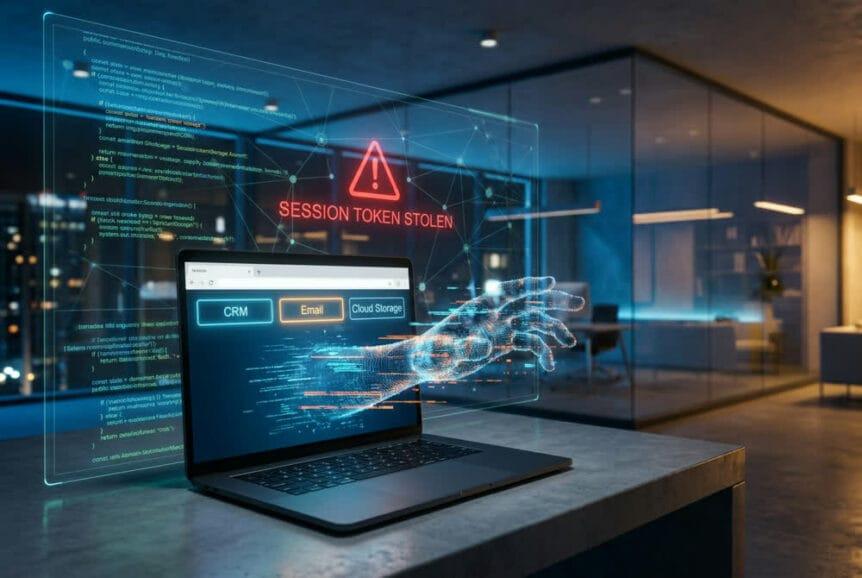
Multi-factor authentication is an important protection for business accounts. But protecting a login does not protect every way someone can reach your data. Attackers may also reuse stolen session tokens, trick employees into authorizing malicious apps, or exploit access held by a compromised integration vendor. Understanding these paths helps explain …
The Urgency Trap: Why “Act Now” Has Become the Biggest Red Flag in Phishing Emails
For years, common phishing advice focused on spelling mistakes and awkward phrasing. Those clues can still raise suspicion, but clean writing does not establish trust. AI writing tools let attackers produce polished, professional messages that appear to come from your bank, a vendor, an executive, or your IT provider. A …
Election Season Phishing Surge: Protect Yourself from Voter-Targeted Cyberattacks
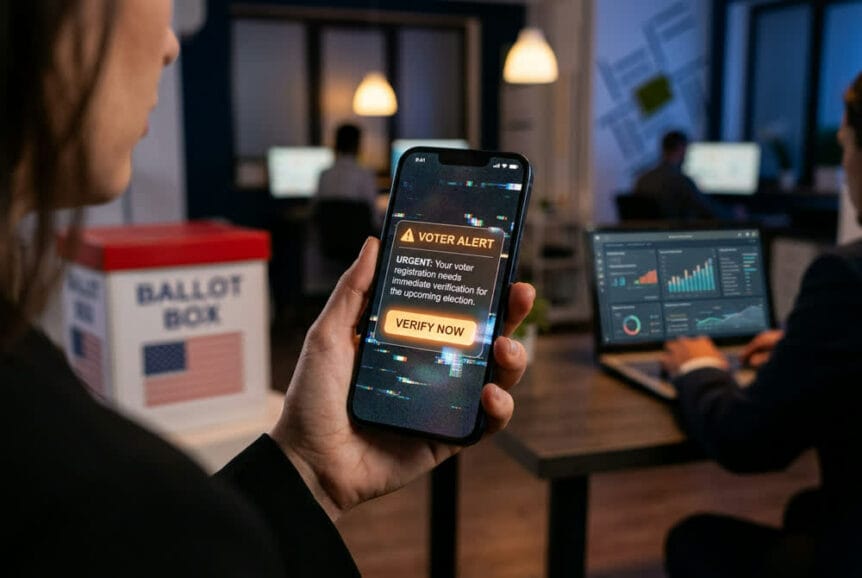
“Your voter registration is inactive. Act now.” A message like that is designed to get your attention. So is an urgent donation appeal or a text that looks like it came from a campaign you recognize. As the midterm elections approach, scammers may take advantage of election deadlines and concerns …
How to Protect Your Identity by Freezing Your Credit: A Step-by-Step Guide for 2026
Someone applying for credit in your name can leave you dealing with disputes, phone calls, and paperwork long after the application is submitted. You do not have to wait for a breach notification or a suspicious bill to take a preventive step. The good news is that a credit freeze …
What Unsupported Windows Systems Mean for Your Security and Cyber Insurance
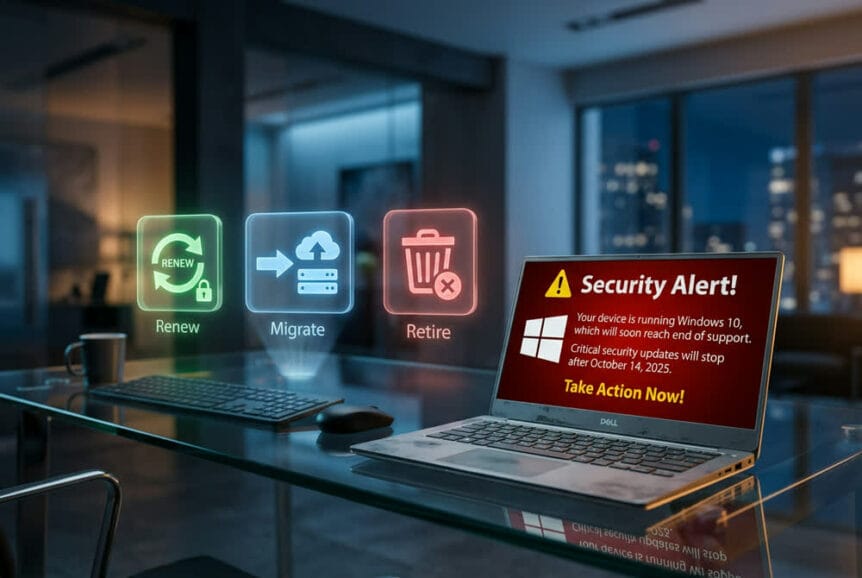
Yesterday, October 13, 2026, marked another important milestone in Microsoft’s product lifecycle, but for many organizations, the conversation is far from over. While some businesses have successfully moved beyond aging systems, others are now facing a critical decision: renew Extended Security Updates (ESU), accelerate upgrades, or accept the risks of …
Protecting Business Data From Everyday Mistakes and Unapproved AI Use
An employee pastes a customer report into an AI tool to save time. Another shares a confidential file through a personal account because it feels easier. Neither intends to cause harm, but both decisions can put business information somewhere it was never approved to go. The good news is that …
Protecting Your Business From Fraud After a Hurricane
After a hurricane, getting your business running again can mean approving repairs, paying unfamiliar vendors, and helping displaced employees work from temporary locations. Scammers exploit that pressure by making fraudulent requests look like the next urgent step in your recovery. The good news is that you do not have to …
Why “Everyone’s an Admin” Is the Most Expensive Mistake Your Small Business Can Make
Giving everyone administrative rights feels like the fastest way to keep work moving. Software gets installed, settings get fixed, and nobody waits on a ticket. The cost of that convenience never shows up on an invoice until something goes wrong, and then it shows up all at once: in the …
Protecting Nonprofit Services, Funding, and Donor Trust in 2026
When a nonprofit loses access to its records or sends money to an impersonator, the damage reaches beyond the technology budget. Services can stall, fundraising can lose momentum, and staff time shifts away from the mission. Funding uncertainty and administrative demands make those disruptions harder to absorb. The reassuring part …
Why Your Business Browser Has Become the New Front Door for Cybercriminals
Almost everything your business runs on now lives behind a browser tab. Email, file storage, accounting, CRM, payroll, and increasingly AI tools are all reached the same way, through Chrome or Edge or Safari on a laptop that may or may not be company-owned. The 2026 Verizon Data Breach Investigations …