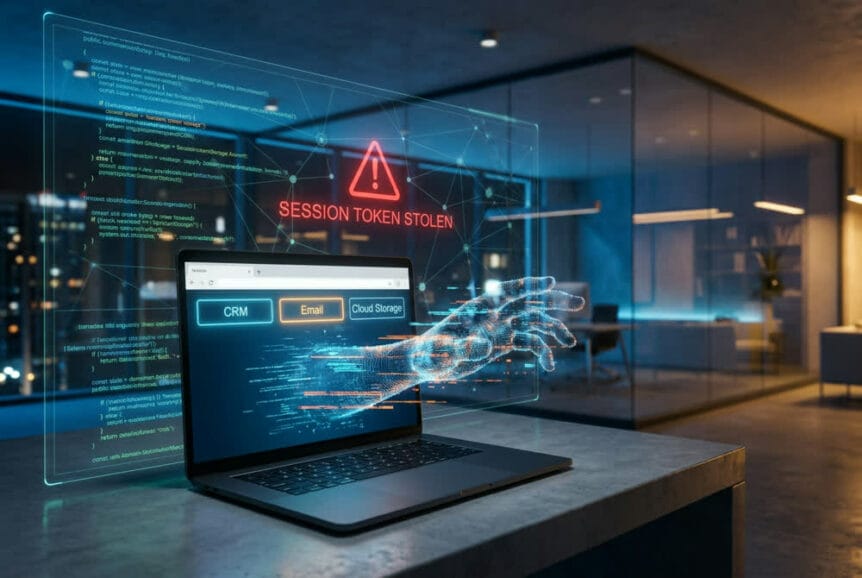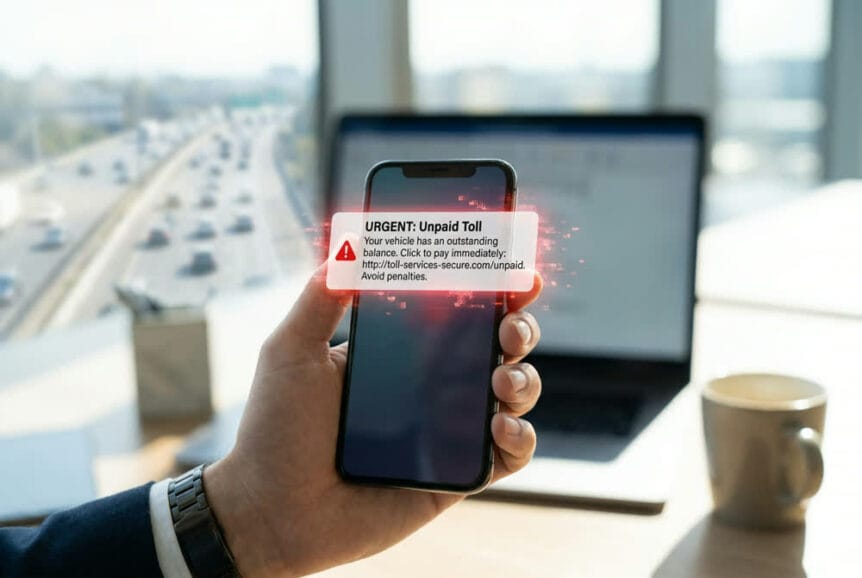
Tax season has always attracted opportunistic criminals, but the scale and sophistication of attacks in 2026 represent a significant escalation. The IRS Criminal Investigation division reported a 111.8% surge in identified tax fraud during fiscal year 2025, with total fraud reaching $4.5 billion. Meanwhile, the Federal Trade Commission logged nearly …
How AI-Generated Fake Websites Are Fooling Employees
The New Reality: AI Can Clone Any Website in Minutes Building a convincing fake website used to require real technical skill. A scammer needed to know HTML, CSS, and web design well enough to fool a cautious visitor. That barrier is gone. Today, anyone with a browser and a few …
When Robot Vacuums Attack: The Hilariously Terrifying Reality of Hacked Smart Home Devices
The Weekend Project That Accidentally Hacked 7,000 Homes Some of the most consequential cybersecurity discoveries in recent history have come not from well-funded research labs, but from curious hobbyists with too much free time and a good idea. The story of Sammy Azdoufal and his DJI Romo robot vacuum is …
Executive Award Scams: How Cybercriminals Use Fake Recognition Programs to Steal Credentials and Deploy Malware
The Rise of Executive-Targeted Award Scams A sophisticated phishing campaign uncovered by Trustwave SpiderLabs researchers is making the rounds, and it is specifically designed to fool senior executives. The scheme impersonates the prestigious luxury brand Cartier, presenting targets with a fabricated “Cartier Recognition Program” that promises exclusive professional recognition. This …
New LinkedIn Phishing Scam Uses Fake Policy Violation Comments to Steal Business Credentials
A sophisticated phishing campaign is currently targeting LinkedIn users through an elaborate scheme that exploits the platform’s comment system. Unlike traditional email-based phishing, these cybercriminals are posting fake policy violation warnings directly on user posts, creating an alarming new threat vector for business professionals. Security researchers have identified multiple instances …
How Cybercriminals Are Exploiting Email System Weaknesses to Send Fake Internal Messages
When your accounting manager receives an email from your CEO requesting an urgent wire transfer, they’re likely to act quickly. When HR sends a message about updating direct deposit information, employees typically click without hesitation. This trust in internal communications is exactly what cybercriminals are exploiting through increasingly sophisticated email …
How Fake AI Apps Are Targeting Your Business
The artificial intelligence gold rush has brought incredible tools to our fingertips, streamlining everything from customer service to content creation. Unfortunately, this technological boom has also paved a golden highway for cybercriminals. As enthusiasm for AI grows, so does the sophistication of digital threats. Recent data paints a concerning picture: …
Holiday Cybersecurity: Protecting Your Business from Seasonal Scams and Fraud
The end of the year brings a unique energy to the office. While your team is focused on closing Q4 strong, hitting end-of-year targets, and planning holiday parties, cybercriminals are gearing up for what they consider their most profitable season. It is a harsh reality that the festivity of the …
How Cybercriminals Use Your Digital Footprint Against Your Business
Your business has an invisible presence online that extends far beyond your website and social media accounts. Every digital interaction, from employee LinkedIn profiles to customer reviews, contributes to your company’s digital footprint. While this online presence is essential for modern business operations, it also creates opportunities for cybercriminals to …
Essential Digital Security Fundamentals Every Business Professional Should Master
Cybercriminals have dramatically shifted their targeting strategies in 2025, with small and medium businesses bearing a substantial share of attacks, roughly 43–50% depending on the study you look at. The myth that hackers only pursue large corporations has been thoroughly debunked as criminals increasingly recognize that smaller organizations often lack …